 Skip to content

What FMCG Can Learn from Luxury – Lessons in Branding, Scarcity & Storytelling
Creating Luxury in a Saturated Space
Making products that we buy all the time feel luxurious and premium is no mean feat. Many FMCG brands are grappling with how to justify higher price points without simply cutting volume or overhauling ingredients. Article 4 of this series already talked about the need to stand out in a crowded category, and how emotional resonance is key – but how can a brand achieve this resonance, and feel truly luxurious?
The solution may lie outside the category. Luxury brands have long mastered the art of value perception – making products desirable, scarce, and emotionally resonant, even when the functional difference is minimal.
Mass-market brands can borrow these codes—not to pretend they’re luxury, but to upgrade perception, deepen emotional resonance, and create moments that truly feel “worth paying more for”.
Premium isn’t about what’s in the tin. It’s about what the tin means.
Luxury as a Blueprint for Desire
Luxury brands, when put under the microscope, often don’t actually offer products and services that are objectively worth as much more as their higher price tag suggests. A luxury purse that costs 3,000 times more than a budget version doesn’t usually cost 3,000 times as much to manufacture. So how do they justify their elevated standing, and how can simpler FMCG brands learn from this?
It’s important to understand that luxury brands don’t sell utility – they sell meaning. Adopting this mindset does not need to be limited to true luxury offerings, but can powerfully reshape FMCG strategies as well.
Many FMCG brands single-mindedly lean into individual aspects of luxury when trying to create these premium offers, for example leaning into finishes that are more difficult to produce. But premiumisation in FMCG isn’t about becoming ‘exclusive’ – it’s about creating moments of elevation and perceived significance.
Your brand doesn’t have to be luxury to learn from it. From chocolate to shampoo, brands can cue premium through emotional, symbolic, and sensory value, and we are about to dive into some of the key lessons to learn, the key luxury cues FMCG brands can adopt to truly elevate their offering.
Lesson 1: Story Over Stuff
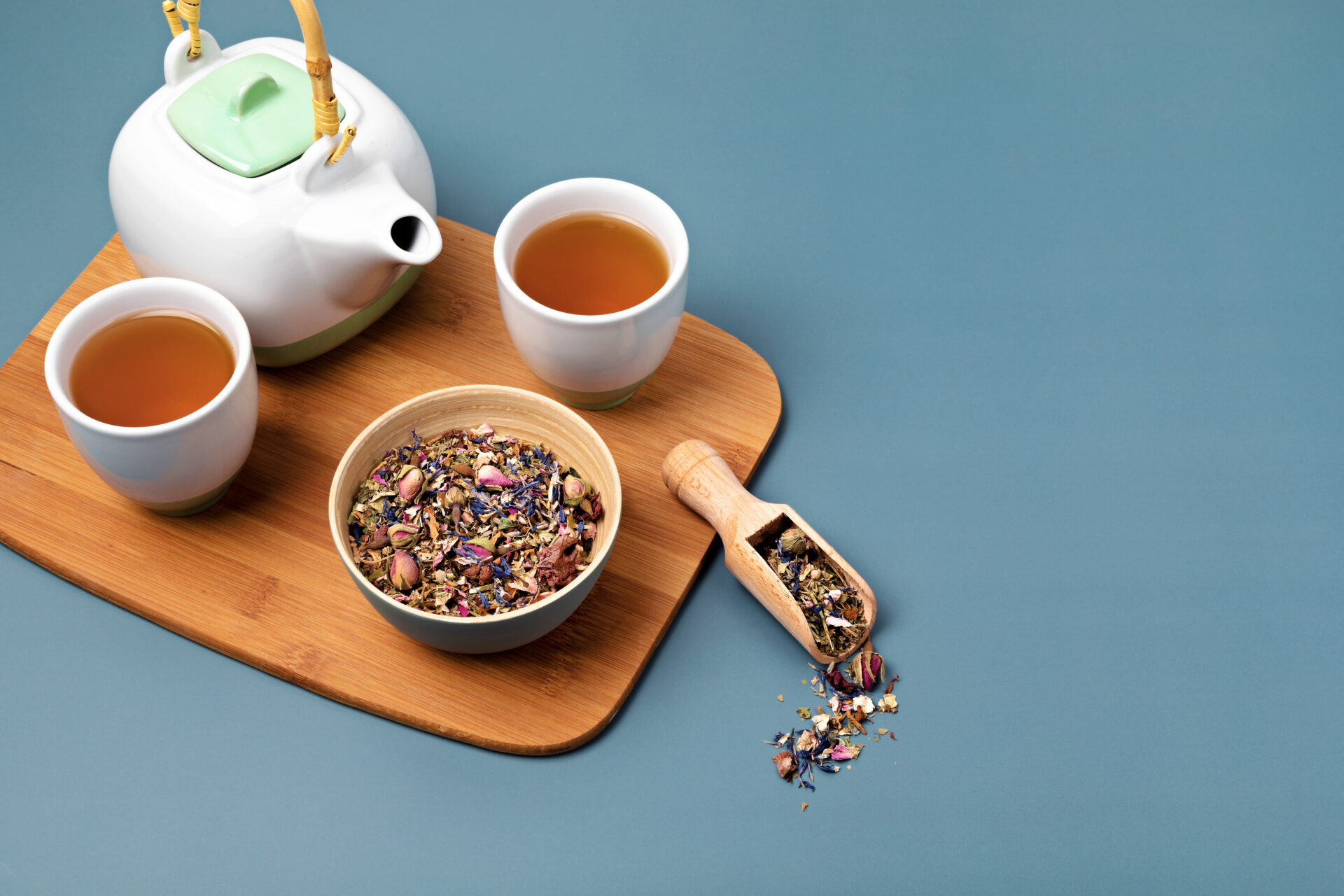
Luxury brands are incredibly good at positioning the products they sell as part of a larger narrative, emphasising its heritage, craft, origin, and ethos. They understand that a product isn’t just perceived in isolation, but rather in the context of its history and surroundings.
In luxury, provenance and narrative signal care and distinction (e.g. “crafted in Grasse,” “family-owned since 1894”). The same care can be demonstrated by pointing out origin stories of much simpler consumer goods, with similar effects.
A tea brand, for example, may position its leaves as “from single gardens, hand-picked at dawn”. Baked goods may be sold by emphasising artisan techniques, slow fermentation, and local sourcing. Even pointing out qualities and origins that are relatively common in the category can set a product apart to the less-educated consumer, or at the very least demonstrate pride in what you are making.
The reason stories are so important to luxury perceptions is that stories prime the brain for expectation of quality, which shapes the ultimate experience.
If people feel a story in every bite or sip, they’re not just consuming—they’re connecting.
Lesson 2: Scarcity Signals Value
Article 2 already spoke about how historically, something that is rarer or more difficult to produce was seen as much more premium and luxurious than more common items. While true ‘rarity’ is far more difficult to achieve in a time of seemingly boundless availability, it’s still possible to create at least the sense of rarity through clever launch and marketing campaigns.
This brings us to the second luxury cue. What’s rare feels more desirable. Scarcity = status.
Scarcity in the 21st century is almost always manufactured artificially. Furthermore, it doesn’t automatically mean low stock – instead, it means selective access. And this selective access is very possible to create in FMCG.
Think of skincare with seasonal or limited-batch formulations, tempting consumers to try new variants. Think of ice cream or soft drink brands with rotating, small-run flavour editions, targeted to seasons and trends. Some brands even run ‘secret drop’ collaborations or one-day-only formats, taking scarcity to a whole new level.
While not reflecting genuine scarcity in the sense of using rare ingredients or niche skills to manufacture, these marketing and launch strategies create urgency, collectability, social sharing, and a higher willingness to pay.
When something might not be around tomorrow, it feels worth more today.
Lesson 3:The Power of Symbolic Identity
Luxury products are not simply products to be used. Instead, they are worn, displayed, identified with. The aura of a luxury product reaches far wider than its immediate use, but also reflects on the user’s identity. This builds a closer relationship with the product and brand: Emotional attachment builds when products reflect who we are or who we want to be.
The good thing is that products don’t need to be totally unaffordable in order to achieve a similar effect. Many FMCG brands manage to create similar relationships with their consumers as high end brands. Think about premium toothpaste that’s not hidden in the drawer but designed for display (e.g. Aesop, Marvis). Think about plant-based milks or nutrition brands with identity-driven tone of voice, social values, and design – deeply aligning themselves with the values their customers hold dear.
In a time where luxury is much more about identity and experience than just using gold leaf and expensive materials, aspects such as the packaging, brand tone, and cultural cues all need to support this identity to build perceived sophistication.
The right product doesn’t just fit the shelf—it fits the self.

Lesson 4: Price as a Branding Tool
Luxury price points don’t need to justify themselves in order to get consumers to buy the product. When it comes to luxury, price isn’t defensive – it’s declarative.
As discussed in article 6, a higher price can enhance perception, if it’s backed by the right cues. In fact, a higher price point suggests better taste, better values, better you – and if the product is able to back up this initial impression, you’re on to a winner!
FMCG brands that anchor pricing to emotional benefits (confidence, pride, care) create far more elasticity, encouraging consumers to pay more than they otherwise would.
As with all aspects of luxury, the feeling and perception come first, only then followed by justification – not the other way around.
In premium perception, the story always comes before the receipt.

Measuring Implicit Luxury Associations
Rather than superficially assessing luxury, implicit testing can reveal which premium cues (design, tone, scarcity, ritual) trigger feelings of worth, trust, and desire – and hone in especially on which ones are right for your brand. This helps brands build their own version of premium – not creating copycat luxury, but contextually authentic stretch.
Implicit testing also helps avoid false assumptions: what feels premium isn’t always what brands assume feels premium. Tapping into the mind of the consumer allows you to identify the right strategy to make your brand and product shine, without becoming disingenuous.
Injecting Luxury Into Everyday Items
Luxury isn’t just a category. It’s a set of cues – and FMCG brands can use them to turn the ordinary into something extraordinary.
Rethink how you position your products – not just by function or format, but by the feelings they can evoke. Get in touch if you’d like to find out more about how research can support your journey. You may also want to catch up on the previous installments of this blog series, if you haven’t yet.


