 Skip to content

Why the Subconscious Still Matters – and Why Smart Brands Should Care
Most of the time, we like to think that we choose deliberately. That we weigh up pros and cons, examine facts, make the “rational” decision. But a growing body of research (and real-world marketing evidence) tells a different, far more interesting story: many of our decisions – including purchasing decisions – are shaped by mental processes we never consciously notice.
Whether you’re designing packaging, crafting a campaign, or shaping brand identity, recognising the power of the subconscious can be a transformative advantage.


The Invisible Driver of Behaviour
Decades ago, researchers such as Gerald Zaltman argued that up to 95% of purchase decisions happen beneath conscious awareness. That may sound dramatic – but neuroscience today helps us understand why that feels true.
Conscious thinking (the “rational brain”) is slow, effortful and often overloaded. The brain conserves energy by relying heavily on instinctive, quick, automatic processes (sometimes referred to as “System 1” thinking). These processes rely on deeply embedded memories, emotional associations, physical sensations and learned patterns. Especially under time pressure, distraction, or choice overload (think: a busy supermarket aisle), these subconscious drivers dominate.
What this means: even before a shopper reads product labels, compares prices or reads reviews, their brain has already formed an initial impression – based on shape, colour, feel, smell, emotion, context. That “gut feeling” isn’t irrational – it’s efficient.
Why Subconscious Signals Work (Science + Behaviour)
• Emotions, Memory & Instinct – Fast, Powerful, Persistent
Recent consumer-neuroscience studies show that emotional and cognitive brain responses to stimuli (ads, packaging, product design) are deeply influential across the entire decision journey – from first sight to post-purchase behaviour.
When a design (or ad, or product) triggers a positive emotional response (trust, joy, comfort, excitement, nostalgia), it becomes easier for the brain to “feel right” about a product, even if the conscious mind doesn’t do a detailed evaluation. This is the essence of what marketers call Emotional branding.
In many cases, those subconscious signals (colour, shape, tone, imagery) can shape not just a momentary choice, but ongoing preference – what we come back to again and again.
• Simplicity Reduces Friction – Fluency Feels Like Quality
When information, or sensory cues, come easily, the brain rewards that with a subtle positive bias. That’s why designs that feel clear, coherent and “right” tend to perform better. Studies show that fluent processing (visual, emotional, cognitive) tends to be associated with trust, ease and quality.
Overcomplicated packaging, cluttered messaging or too many choices increase cognitive load – which tires the brain and invites avoidance. From a behavioural perspective, making things feel effortless (both in perception and decision) lowers barriers to engagement and boosts the likelihood of choice.
Subconscious Influence Is Not Mystical – It’s Measurable
One of the biggest misconceptions about the subconscious is that it’s vague or unobservable – that because people can’t articulate their instinctive reactions, those reactions can’t be studied. In reality, the opposite is true.
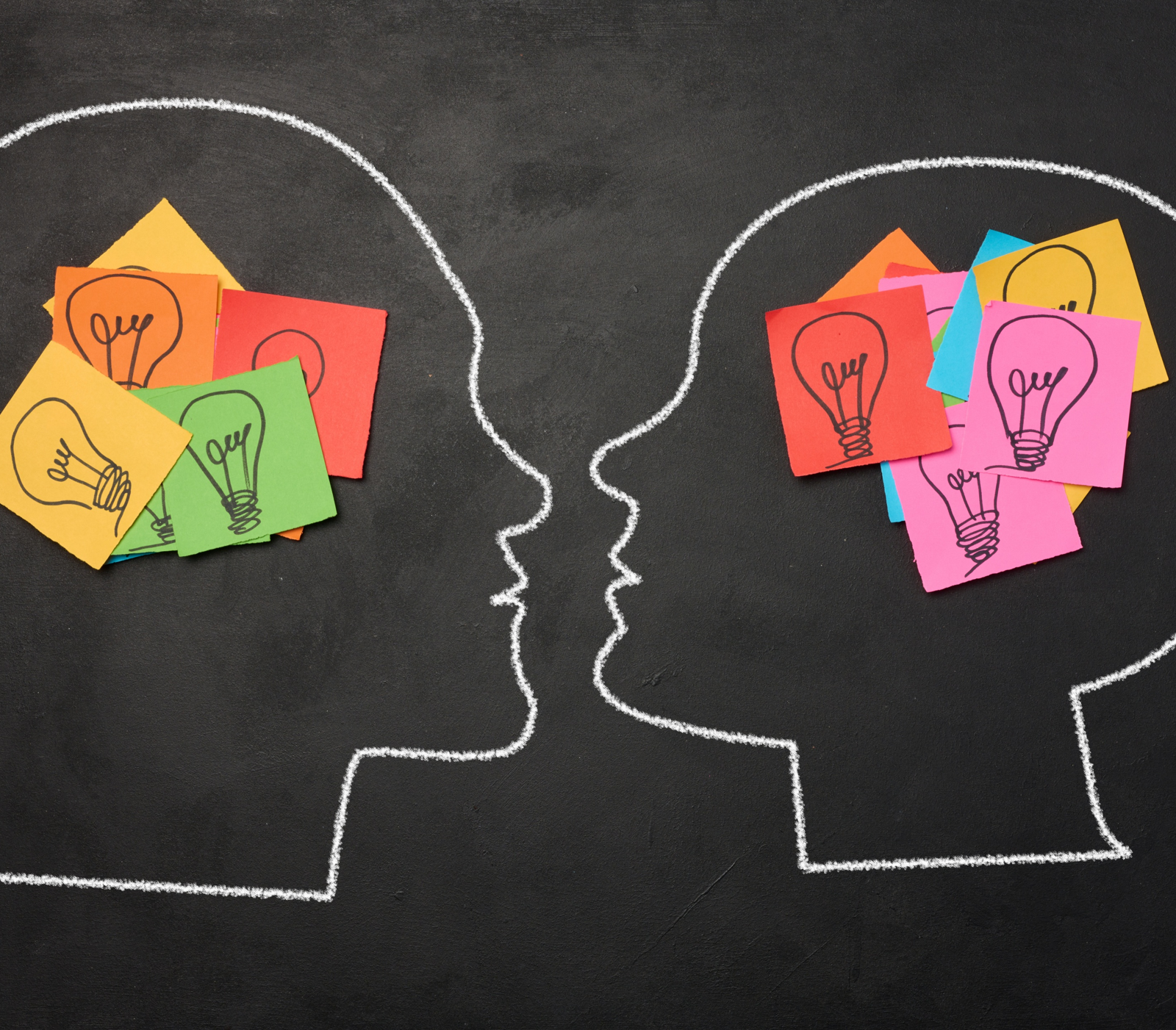
Modern implicit research methods are specifically designed to capture the fast, automatic associations that guide behaviour long before conscious reasoning kicks in. Instead of asking people what they think or why they chose something, implicit tests measure how quickly and strongly certain concepts, emotions or brand cues come to mind.
These split-second reactions reveal the underlying mental structures (the emotional shortcuts, associative networks and intuitive “gut feelings”) that shape real-world decisions.
Implicit methods are particularly powerful because they sidestep the usual barriers of traditional research: social desirability, strategic responding, memory gaps, and the simple fact that people often don’t know what truly drives their choices.
Unlike focus groups or surveys (which capture the “top layer” of opinion), implicit measures tap the deeper, automatic responses that actually drive behaviour. They give brands a clearer window into how people instinctively perceive them – and where opportunities lie to shift or strengthen those associations.
In short: subconscious influence isn’t fuzzy at all. With the right tools, it’s quantifiable, trackable, and directly usable for creative and strategic decisions.
What This Means for Smart Brand & Marketing Strategy
If your marketing – from advertising to packaging to brand messaging – ignores the subconscious, you’re leaving a huge part of decision-making on autopilot. Here’s what to lean into instead:
- Design for instinct, not just deliberation. Shape sensory cues (colour, imagery, tone, context) that align with desired feelings – luxury, trust, fun, simplicity.
- Prioritise clarity and fluency. Reduce friction: make the first impression easy on the eyes and mind, not overwhelming.
- Create emotional anchors. Use storytelling, emotional design, sensory branding to appeal to deeper memories or aspirations.
- Use data wisely. Combine traditional research with neuroscience and implicit insights — test response to stimuli, not just stated preference.
In doing so, you respect the full complexity of how humans make decisions – consciously and subconsciously.
Subconscious Doesn’t Mean “Manipulative” – But It Does Demand Responsibility
There’s some discomfort around the idea of appealing to the subconscious – after all, if people don’t even recognise why they choose something, is it ethical to influence them?
It’s a valid question. And the growing field of implicit research increasingly emphasises transparency, consent, and ethical use of behavioural insights.
Used well, subconscious-focused marketing isn’t about fooling people. It’s about creating environments (visual, emotional, sensory) that align with their real needs, feelings, and behaviours – often before the rational mind has a chance to overthink.
It’s about connection, not coercion.


