 Skip to content

The Psychology of Premium
Reinventing Rituals – The Role of Occasion in Justifying Premium Products
How We Justify Spending More Money
It’s not been an easy few years: The economy is down, wages haven’t always kept up with inflation, the cost of living has skyrocketed, and spending more than required isn’t something most people would want to do. Frivolous spending isn’t even a sign of status any longer, but becoming more and more judged as a sign of being out-of-touch with what’s going on in the world.
All this leads to luxury and premium brands needing to earn their place far more actively than usual. In a world where cost is scrutinised, consumers often need a reason – a context – to justify a premium spend.
But here’s the opportunity: context creates value. A bottle of gin might be “just gin” on the shelf, but as a birthday gift, a dinner party centrepiece, or a self-care moment, it becomes emotionally elevated.
Occasion-based framing allows brands – especially in alcohol and FMCG – to move from commodity to meaningful choice, enabling price elasticity through emotional relevance. In simpler words, people are happy to pay a premium price for something that creates and supports a luxury moment, products that aren’t just expensive mantle pieces, but create meaningful experiences.
People don’t just buy products. They buy moments – and what sets premium brands apart is knowing how to own the moment.
The Power of Occasion Framing
In the previous article, we learned that a product’s price point influences its perceived value. But aside from its appearance, provenance, quality and price point, value is hugely influenced by how we see ourselves using the product. In fact, the same product can carry vastly different perceived value depending on its use context.
Consumers are more willing to trade up when there’s an emotional or symbolic rationale (e.g. a “treat,” “thank you,” “host gift,” or “celebration”). Moments that carry a higher emotional value give us permission to spend more money on products or services that support this moment. And it doesn’t just have to be a special occasion: Even everyday rituals like winding down with a drink or cooking a midweek dinner can be “premiumised” with the right cues.
When positioning your product, it’s worth remembering that occasions anchor our memory and emotions. If your product can attach to higher-value moments, and therefore activate core emotions, it becomes worth more, making consumers willing to pay more for it.
Real-World Examples of Occasion-Driven Premiumisation
While there are many examples of moments that justify our more premium purchases, let’s have a closer look at some of the most common ones to illustrate their power.
a) Gifting
No one wants to appear stingy when it comes to gifting, or deliver an underwhelming present. But what turns a whiskey into a good gift?
Premium packaging, storytelling, and provenance turn something familiar into something giftable. Aside from building their core story and brand world around these qualities, many spirits brands also lean into this understanding by creating limited editions, presentation boxes, or seasonal ranges, making their products appear even more rare and special – and therefore, the perfect gift for a true connaisseur.

b) Hosting & Celebrations
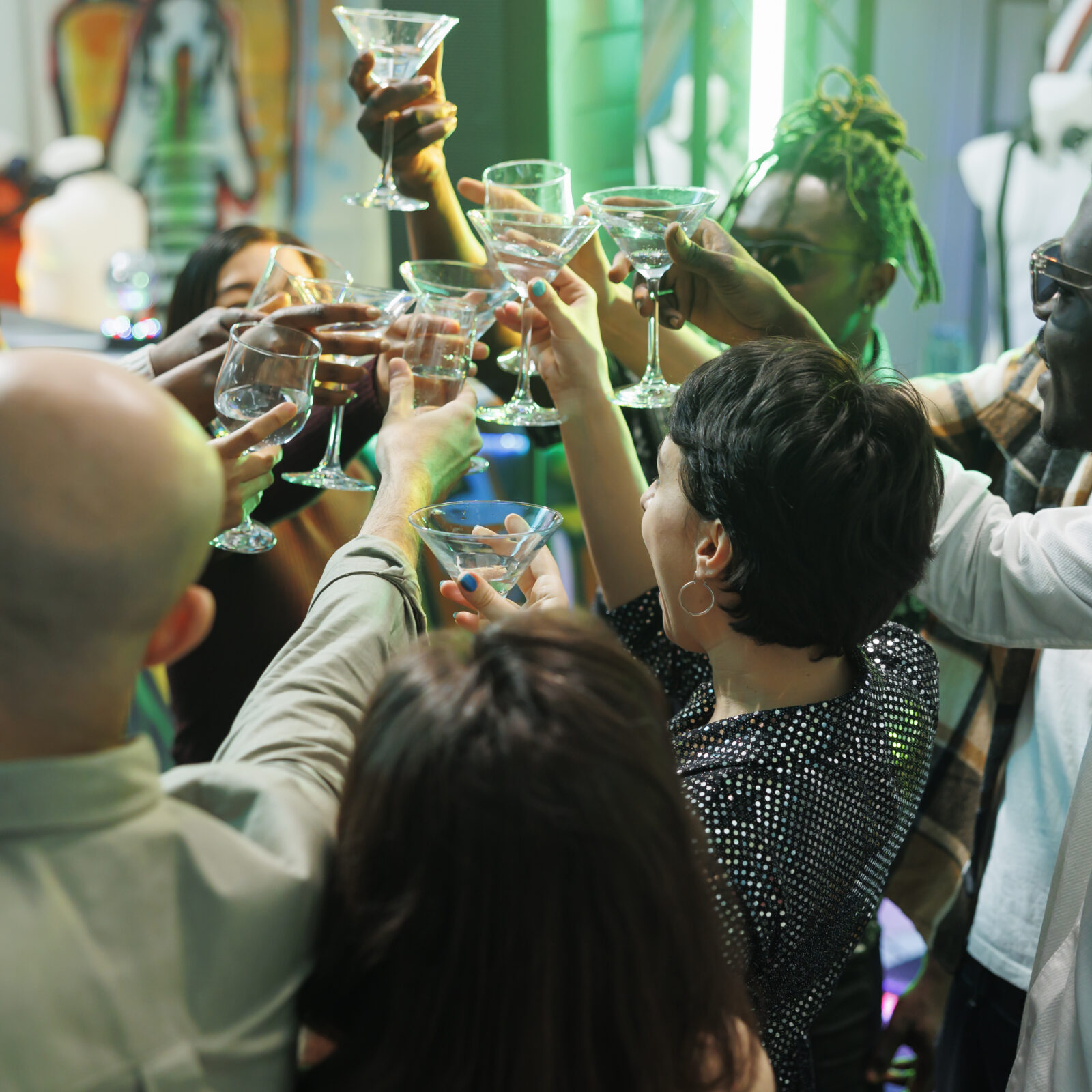
Similar to gifting, hosting others creates a certain pressure to treat your friends and family, and not appear stingy. While you might be perfectly happy to have an own-brand gin in your G&T on the weekend, having others around often creates a desire to show off and lean on more premium brands.
Alcohol brands can move up the value ladder by positioning products as ideal for gatherings or toasts. Interestingly, when built successfully, this perception translates into a broader idea of value – seeing the brand use celebration moments to advertise their product can make us believe in its quality more broadly.
Painting the picture is key. Suggesting cocktail moments, pairings, or “elevated hosting” enabled by a premium gin boosts its relevance and perceived value, encouraging consumers to spend a little more.
c) Self-Care & Everyday Treats
But luxury does not always have to involve others. There is a growing self-care mindset among consumers, an understanding that the stress and pressures we experience in everyday life should be balanced by moments of indulgence and reward. FMCG categories (like chocolate, skincare, or even premium tea) can tap into this growing mindset.
Framing a product as a reward, a wind-down ritual, or a form of personal indulgence boosts justification for a higher price, and ultimately boosts and supports the emotional benefit consumers derive from the experience.
When a product becomes part of a ritual, it no longer competes on function – it competes on feeling.
Different product categories will have different luxury moment potential, but for each type of luxury product, there’s an occasion to support it. Find the one that is right for your brand, and lean into it.
Rituals and the Brain: Why It Works
But why do we get such emotional rewards from simple rituals, whether they are personal self-care moments or the social ritual of hosting a birthday get-together? And why do these moments make us want to splurge and treat ourselves and others?
Rituals may seem simple – lighting a candle, pouring a drink, unwrapping something slowly – but their psychological impact is profound. Neuroscience shows that when we follow a ritual, even a self-created one, our brain pays closer attention. These moments become more emotionally charged, more richly encoded into memory, and critically feel more meaningful.
This matters for brands. When a product becomes part of a ritual – whether it’s a Friday-night wind-down, a weekend breakfast, or a pre-work skincare routine – it gains emotional salience. In brain terms, rituals activate regions involved in valuation and reward, strengthening the perception that the experience is special and worth more.
Environmental cues reinforce this effect. Music, lighting, texture, time of day, even the packaging format, all shape our expectations. And expectation, as psychology repeatedly shows, is experience.
In short: if a product is anchored to a ritual, the brain perceives it as more rewarding, more memorable, and more valuable. That’s the power of context in premiumisation.
Finding the Right Occasion Levers
But how do you know which rituals and occasions deliver key opportunities for your brand? And how can you specifically own an occasion, rather than just catering to category-generic cliches?
Implicit methods can uncover non-conscious associations between product formats and emotional contexts (e.g. “celebratory,” “relaxing,” “generous”). Aside from helping link your product to the right moment, this also allows brands to design more effective comms, pack formats, and retail touchpoints that feel premium in the right moments.
Understanding the right moment for your product avoids misfires like trying to sell a “big night in” product with “date night” cues. And even your previously failed launches may have simply been mis-positioned, and could shine in the right context.
The right occasion unlocks premium perception—but only if the cues align with what consumers actually feel.
Achieving True Premiumness
The key to achieving premiumness is to look past your product, and into the space it thrives in. Just as consumers build their understanding of your brand and product holistically, you also need to think about it in its broadest sense – don’t just stop at your visual appearance, quality and provenance, but think about your product coming to life.
Don’t just premiumise the product. Premiumise the moment.
Get in touch if you’d like to explore how implicit insight can help you identify the most powerful usage contexts for justifying a higher price point. You may also be interested to read our previous installments of this blog series on premiumness and how research can support it.


