 Skip to content

Bridging Worlds: How Shoppers Move Between Screens and Shelves
Inside the Shopper Mind: How People Really Make Purchase Decisions
Shopping isn’t really online or offline anymore: it’s both.
We might browse on a phone, check reviews on a laptop, and then pick up the product in-store (or vice versa). The path to purchase has become beautifully messy: fluid, fragmented, and deeply human.
But while journeys have changed, the underlying psychology hasn’t.
Our brains still crave familiarity, emotion, and ease; we just experience them in new ways across contexts.
The challenge for brands is no longer visibility in one channel, but consistency of feeling across them all.

From Tap to Touch: How Context Shapes Emotion
In-store environments naturally engage the senses. The smell of freshly baked bread, the weight of a glass bottle, the ambient sound. All these cues create rich emotional associations.
Online, the sensory landscape flattens. The brain must rely more on visual and linguistic cues to fill in what’s missing. This is why coherence matters more than ever: the visual tone, colour palette, typography, and language need to evoke the same implicit emotional signature wherever the shopper encounters the brand.
When digital and physical worlds feel disconnected, when the packaging looks luxurious in store but generic on a website, or when the tone of voice shifts from conversational to corporate, the emotional thread breaks. And with it, trust and perceived value erode.
Continuity Builds Confidence
One of the most overlooked drivers of premium perception is emotional predictability.
When a shopper recognises the same emotional “feel” at every touchpoint, from ad to site to shelf, their brain experiences cognitive ease. Things feel fluent, right, trustworthy.
This is why premium brands invest so heavily in atmosphere, not just appearance. The shopper’s unconscious mind notices more than the conscious one ever could: light balance, logo placement, voice rhythm, even micro-interactions in an app.
Each cue reinforces the sense that “this brand knows me, and it knows itself.”
And when that sense is strong, price becomes secondary.

Why the Journey Feels More Circular Than Linear
Traditional funnel models such as awareness, consideration and purchase, are fast becoming obsolete. Today’s journey is a loop. Shoppers drift between curiosity, reassurance, and reward, often repeating steps without realising.
A shopper might see an Instagram or TikTok ad, research alternatives, walk past a physical display, and finally purchase online after a reminder email – yet emotionally, it’s one seamless story.
The more consistently a brand supports that story, with the same implicit cues of trust, pleasure, and belonging, the more likely the shopper is to complete the loop.
The Implicit Thread That Holds It Together
At Mindlab, we often say that the most powerful part of the shopper journey is the one people can’t describe.
It’s the unconscious “click” when something feels right. The reason one ad lingers in memory while another fades. The subtle reassurance that allows a shopper to move from interest to purchase without second-guessing.
Implicit processes tie the journey together; they bridge moments that otherwise feel disjointed.
This is what traditional research can miss. Shoppers might tell you they compare prices, but their brains are comparing feelings.
The Future of Shopper Experience
As boundaries blur between digital and physical, research must do the same.
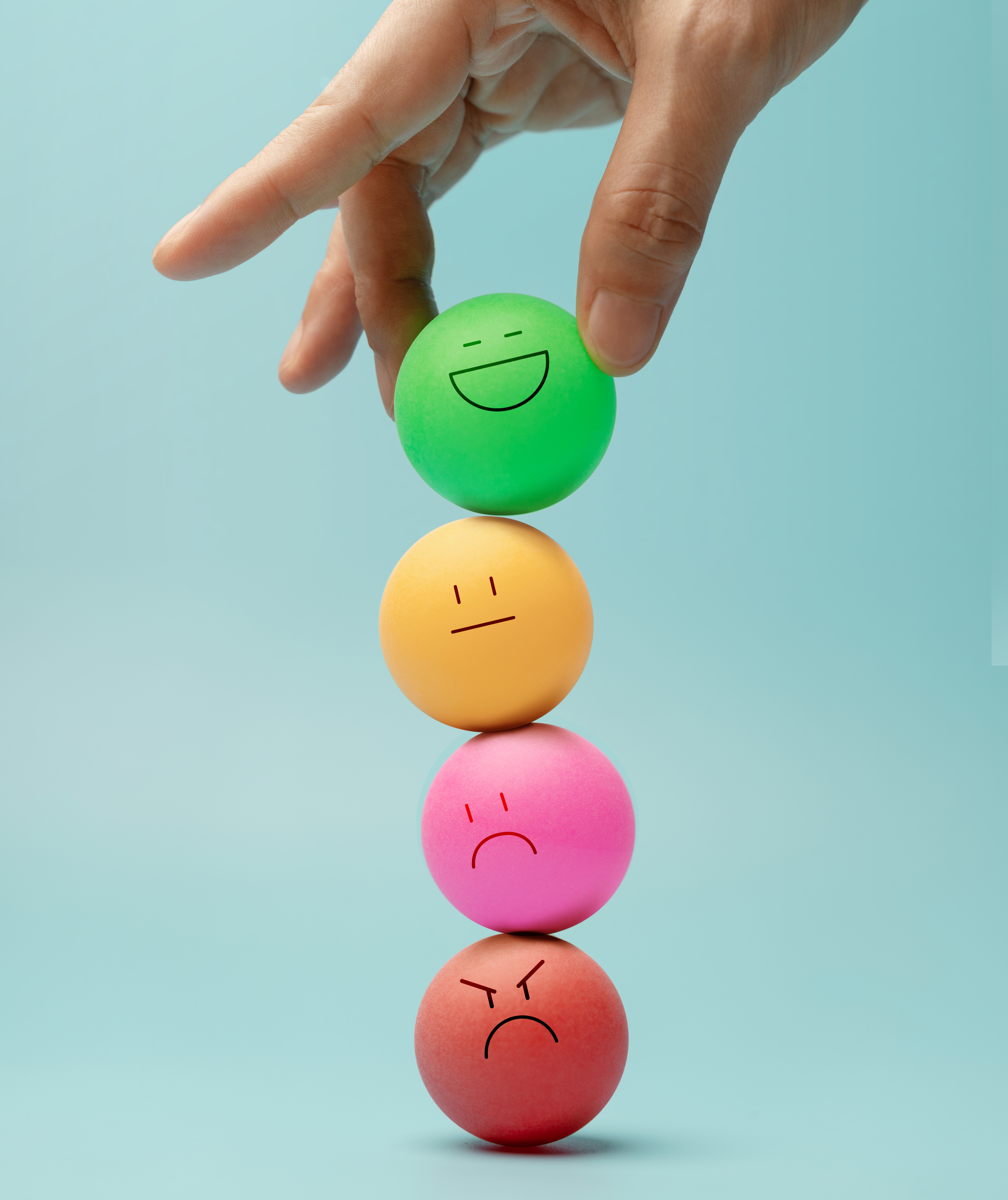
We need methods that capture not just what people do at each stage, but how they feel as they move between them and how those feelings evolve over time.
That means blending behavioural data with implicit measurement; combining what’s observable with what’s felt. Only then can we understand how perception, emotion and memory create that precious sense of coherence: the feeling that drives not just purchase, but loyalty.
What This Means for Brands
Bridging worlds isn’t about identical design or messaging. It’s about emotional continuity.
The right question isn’t “Does my digital campaign match my in-store branding?” but “Do they both make people feel the same way about who we are?”.
Brands that achieve this don’t just exist across channels; they live across them.
They make shoppers feel the same reassurance, aspiration or excitement, whether they’re holding a bottle or swiping through a screen.
Because ultimately, premium (or any other emotional lever, for that matter) isn’t just about product or price.
It’s about psychological coherence – the reassuring sense that wherever we meet a brand, it meets us back the same way.
Coherence is luxury, especially in the fragmented spaces in which we make our decisions.
And the brands that understand the implicit psychology of that coherence – how emotion, memory and trust intertwine across touchpoints, are the ones that will feel premium, no matter where they’re found.
Related posts

Why Do We See Faces Everywhere?

Inside the Shopper Mind: How People Really Make Purchase Decisions: Winning Online: When the Shelf Is Infinite

Inside the Shopper Mind: Beyond Price and Promos: The Implicit Drivers of Shopper Behaviour

